
About Andarta

Every memory has a form of its own

We design and install handcrafted memorials for families, communities, and institutions across Israel.

Sometimes a project begins with something a person used to say. Sometimes it is a detail in a photograph or a view they knew by heart. We look for a form that feels familiar to those who carry the memory and tells a story to those encountering it for the first time.

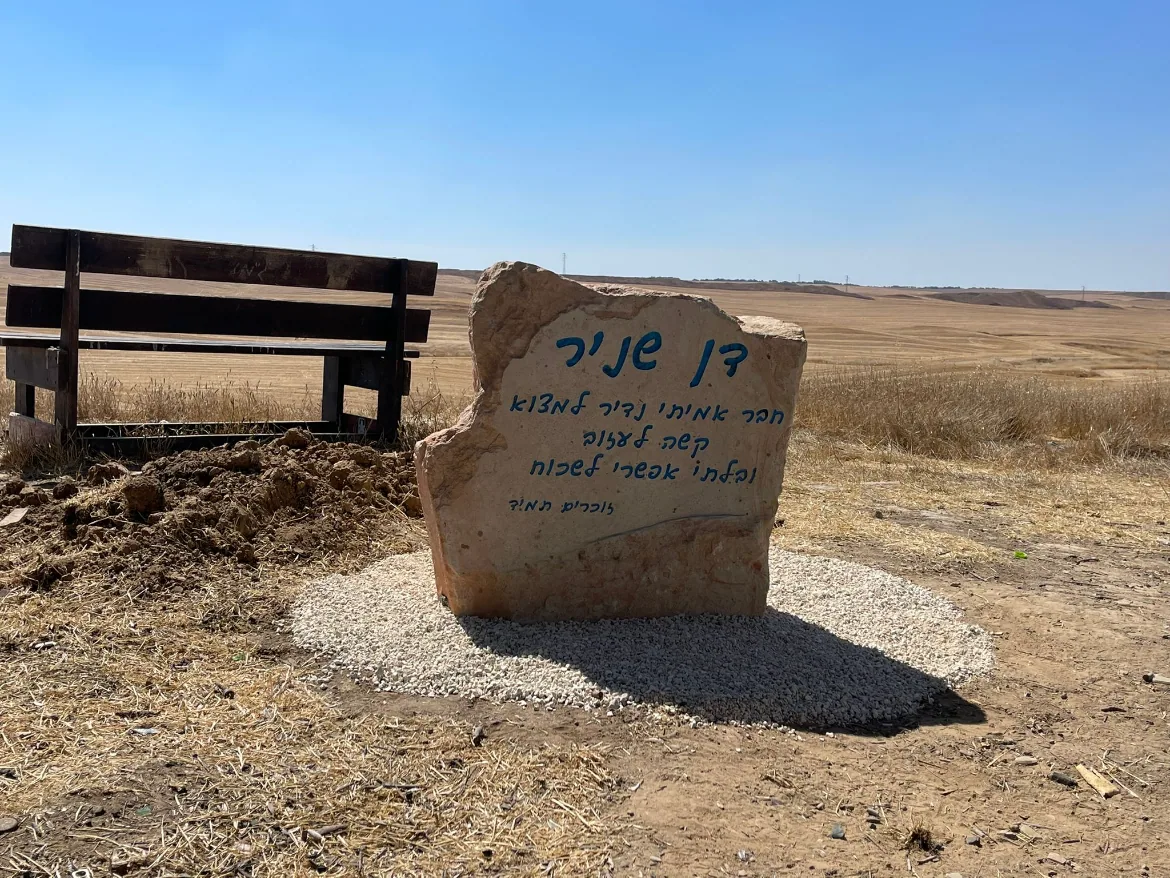
Stone memorial with blue lettering beside a wooden bench overlooking open fields
A memorial stone and a bench overlooking the landscape, from our portfolio

What guides our work

The form, setting, and inscription each have a purpose. Together they shape what visitors notice, where they pause, and what stays with them afterward.

What matters most to remember

In our first conversation, we ask what you would want someone to learn when they arrive. That helps us decide what to write, which detail can find expression in the design, and what belongs in the family’s own telling of the story.

How visitors encounter a memorial

A stone at the end of a path and a plaque read indoors call for a different scale. We design for the angle of approach, the reading distance, and the space available to pause or gather.

What the stone can do

Working by hand lets us finish an area for clear lettering while leaving the rock’s layers exposed alongside it. Where we polish, carve, or engrave determines how visitors experience the form and the words together.

A closer look at our work

Details you can see in the stone

The stone, inscription, and surroundings come together differently in every memorial. In these two projects, a single design decision changes how you experience the place.

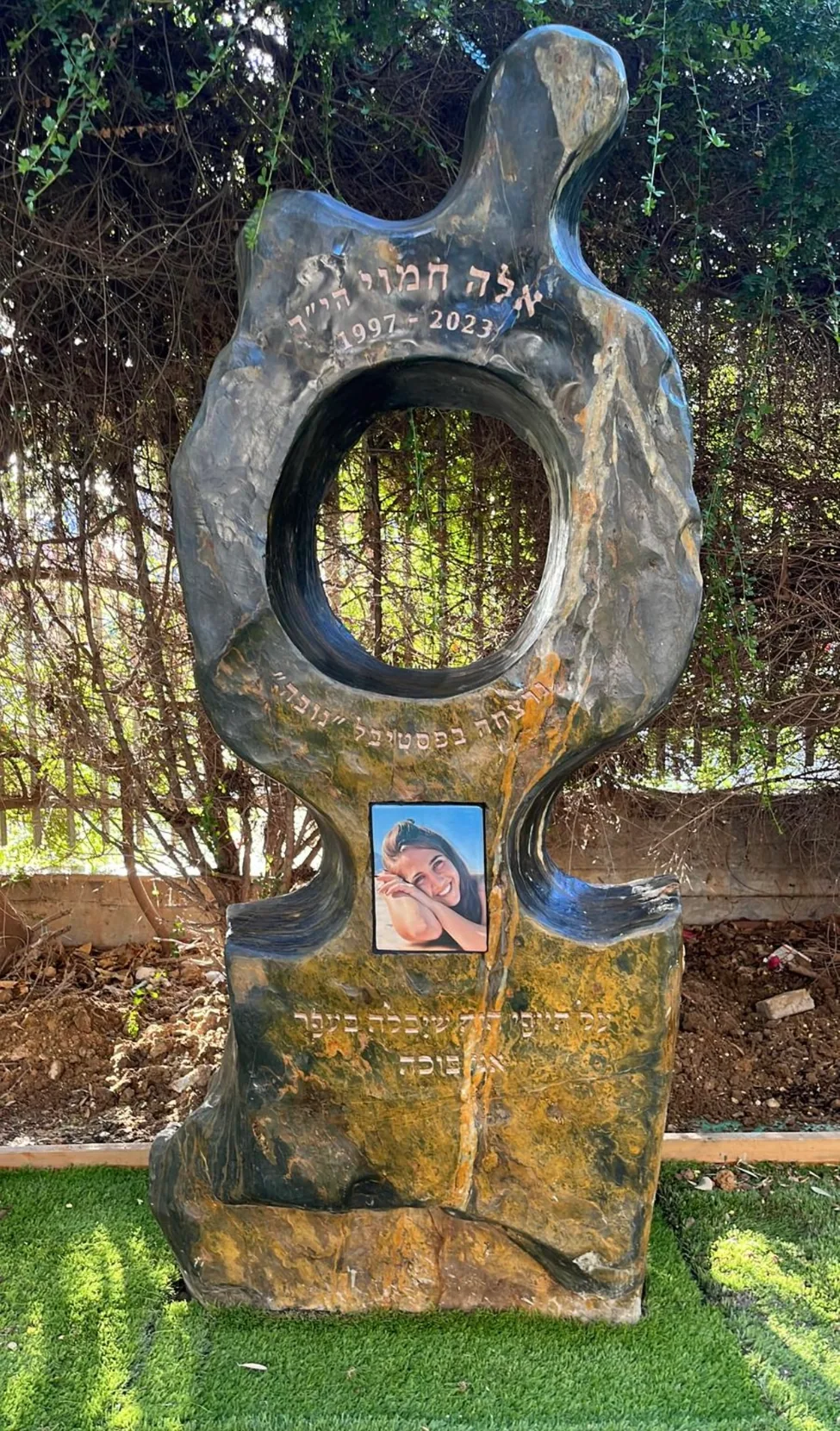
Carved stone memorial with a round opening facing foliage and a small portrait below

An opening that frames the foliage

The sculpture’s circular opening lets you see the landscape behind it. As you approach, the inscription and the portrait below the opening come into view.

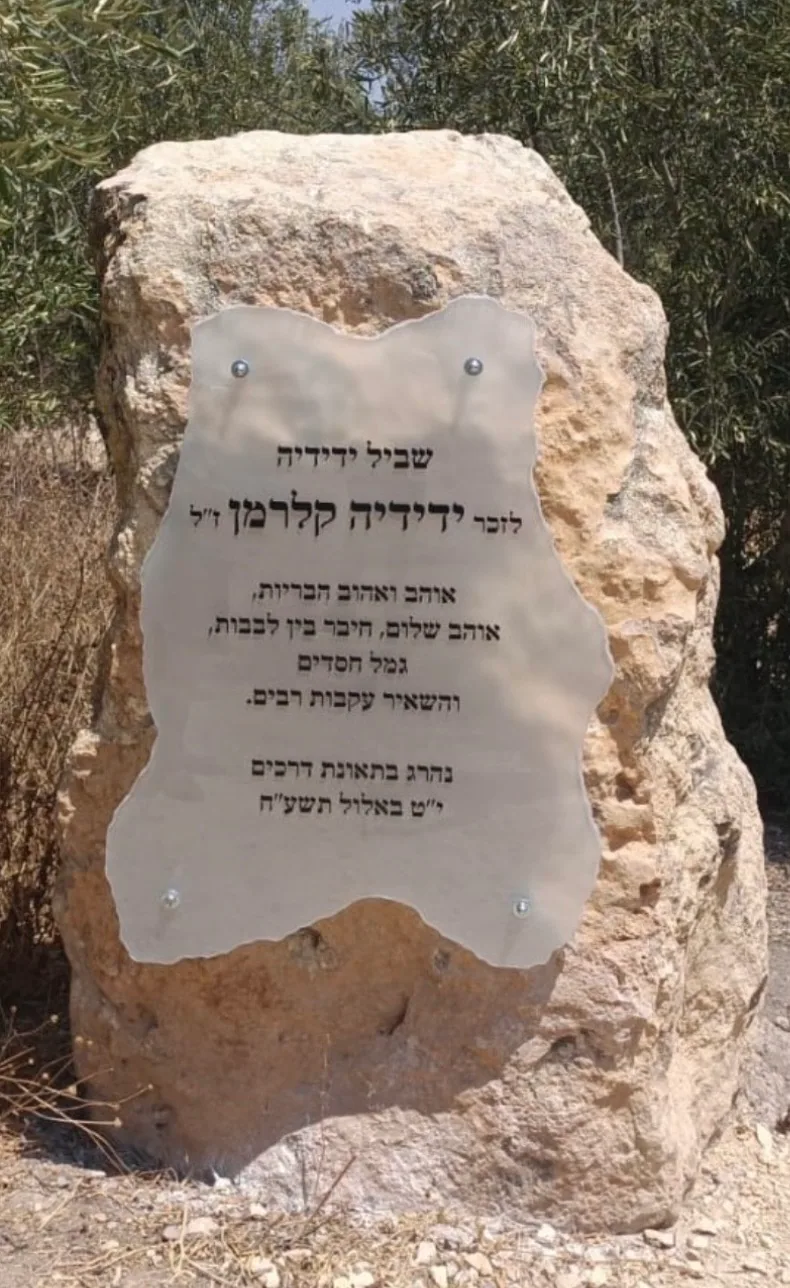
Light-colored memorial plaque with irregular edges and dark lettering, mounted on a natural boulder

Clear lettering on a natural boulder

Dark letters stand out against the pale plaque. The plaque’s irregular edges leave the stone’s natural texture and outline visible.

Discover more of our work

Inside the design process

What a story leaves in stone

A single detail can convey something of the story behind a memorial. When choosing it, ask what will catch a visitor’s eye at first and what they’ll discover when they stop and look more closely.

What you notice before reading

In one of the works in our gallery, a light-colored plaque shaped like a map of Israel is attached to the front of a brown boulder. From a distance, you can make out its outline and the difference in tone. Up close, you can read the inscription. Someone walking past can take in the shape, and someone who stops can spend a moment with the words.

Explore memorials in public spaces

What a family keeps private

Suppose a handwritten note has become a family keepsake. With the family’s consent, the design can borrow the stroke of a letter or incorporate a signature. The family can also share the note during a design discussion and keep the words themselves at home. In a public place, a name and a short sentence can help a passerby understand whom the memorial honors.

A quick way to test a design sketch

Before approving the sketch, look at it from two distances. Check what catches your eye straight away and what you can read only up close. Then ask what someone in the family would recognize right away. These three answers can help you decide how much space to give the shape, the inscription, and a personal detail.

How do you prepare a memorial planning brief?

Before the design takes shape in stone

Decisions we make together

We can look at the form and dimensions together, read the proposed wording, and consider how the memorial will sit on the site. Before engraving, it is important to check the names, dates, and wording and give the people entrusted with the memory a chance to approve them.

For a family memorial, one relative might coordinate the decisions. For a community or institutional project, it helps to agree early on who will take part in the conversation and who will approve the design.

An introductory call with the studio

A few words are enough to begin

Tell us about the person, the place, or an idea you have in mind. Together we can identify what matters most to preserve and what to look into before we start designing.